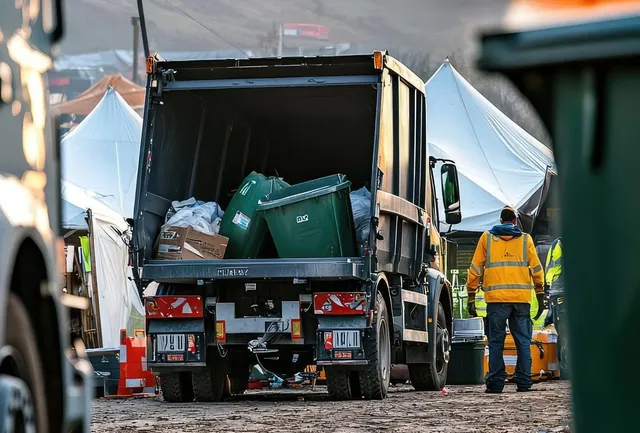
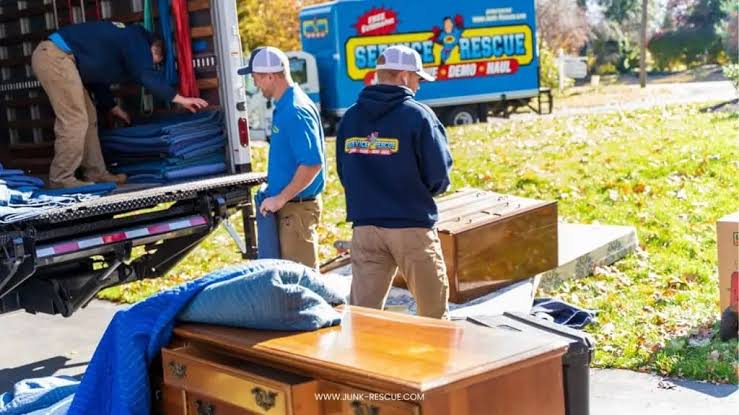
The difference between a forty-minute pickup and a three-hour one is almost never the amount of junk. It is preparation. Crews arrive to two houses with identical piles and leave one at 9:40 and the other at noon, and the reason is always the same handful of small decisions made the evening before.
None of what follows is difficult, and none of it involves lifting anything heavy — please do not lift anything heavy, that is what you are paying us for. It is about decisions, access and sequencing. Work through it room by room and collection day becomes an appointment rather than an event.
The week before: decisions, not lifting
Every hour a crew spends waiting for a decision is an hour on the clock for hourly work, and on flat-rate work it is the reason we cannot give you a tighter arrival window next time. The single most valuable thing you can do in advance is remove ambiguity.
Walk the property once with a notebook
Not a mental list. An actual written one, room by room, including the things you have stopped seeing — the folded treadmill behind the door, the box of cables on the shelf, the second mattress leaning against the garage wall since the spring. People underestimate their own volume by a wide margin, and the underestimate is almost entirely made up of items they walk past daily.
This matters commercially as well as logistically. Our multi-item discount takes $50 off the rate of every flat-rate item in a single visit rather than just the second one. Three appliances booked together are $450, not $600. Finding the fourth item on your list before you call is worth real money; finding it while the crew is loading is worth nothing, because the trailer is already allocated.
Make every keep-or-go decision final
Mark each item on the list as going or staying, and then physically separate the two categories if you can do it safely. The classic collection-day failure is the item nobody has actually decided about: the crew asks, you hesitate, somebody has to be telephoned, and eight minutes disappear. Repeat that six times and you have lost most of an hour.
Where a decision genuinely belongs to somebody else — a partner, a sibling, an executor — make the call before collection day, not during it.
Photograph anything large or awkward
Send photographs with your quote request. A picture of the sofa in the room it is currently in tells us three things a description cannot: its real dimensions, whether it will come apart, and what the exit route looks like. Quotes given from photographs are firmer than quotes given from descriptions, and firmer quotes mean fewer conversations on the day.
Measure the narrowest point, not the item
People measure the sofa. The number that actually matters is the narrowest point on the route out — usually a stairwell turn or a doorway with the architrave still on. If that number is under 30 inches, tell us when you book. It changes the tools we bring, not the price.
The room-by-room checklist
Living rooms and bedrooms
- Strip the soft furnishings. Cushions, throws and bedding off the sofa or mattress. It reduces the carry weight noticeably and stops loose items falling on the stairs.
- Empty every drawer. A dresser with full drawers can weigh three times its empty weight, and drawers slide out on stairs. Emptying them turns an awkward two-person carry into a straightforward one.
- Check under and behind. Cash, documents, jewellery and passports live behind drawers and under cushions with remarkable frequency. Our specialists set aside anything that looks valuable and tell you, but you do not want to be relying on that.
- Look at the wall fixings. Anything bracketed to a wall — bookcases, wall-mounted televisions, floating shelves — takes longer than it looks. Flag it when you book.
- Clear a path to the door. Rugs rolled back, side tables moved, lamps unplugged. Thirty seconds each, and it prevents the small collisions that damage skirting boards.
Kitchens and appliances
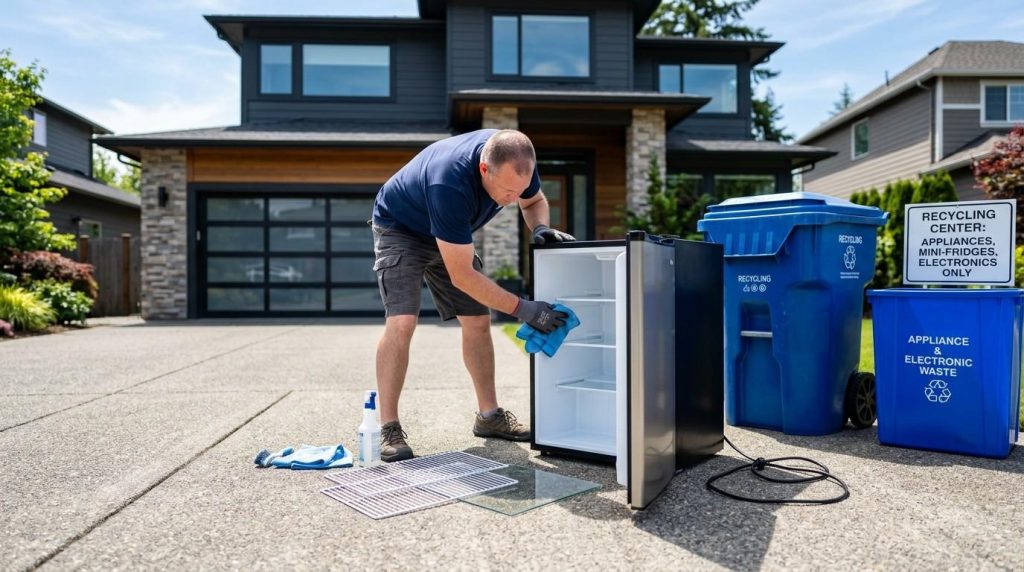
- Defrost the freezer at least 24 hours in advance. This is the one item on this list where skipping it can genuinely cost you the appointment. A freezer that has not been defrosted leaks meltwater across the floor, down the stairs and into the trailer.
- Disconnect what you safely can. Unplug, and turn off the water at the isolator valve for a dishwasher or washing machine. Do not attempt anything involving a gas line or hard-wired electrical connection — that requires a qualified trade, and we would rather reschedule than have you attempt it.
- Understand the plumbing surcharge. Where an appliance needs elaborate plumbing disconnection there is a published $50 surcharge. Simple isolator-valve disconnection does not attract it. If you are unsure which yours is, photograph the connection point and send it.
- Empty the appliance completely. Including the cutlery basket, the filter and the door shelves. Items left inside shift in transit and can damage the drum.
Garages, basements and attics
These are where preparation delivers the largest return, because they are where volume, poor light and awkward access all coincide.
- Sort into three zones, physically. Going, staying, and hazardous. Use masking tape on the floor if that helps. A crew that can see the boundary works at twice the speed of one that has to ask.
- Pull the hazardous material out first. Paint tins, solvents, motor oil, pesticides, pool chemicals, propane cylinders, fuel cans. We cannot legally carry any of it. Discovering a half-full paint tin at the bottom of a box mid-load means sorting the load, which costs time on hourly work.
- Separate clean scrap metal. Metal frequently has value at a scrap yard rather than a cost at the tip. On you-pack trailer jobs, where you reimburse disposal at cost plus 10%, keeping metal in its own corner directly reduces your bill.
- Check the lighting. If the basement bulb has been out since last winter, replace it. Crews carry work lights, but a lit space is a faster space.
- Test the garage door. Genuinely — every winter we meet a door that has not been opened since October and will not open on the morning it needs to.
Do not pre-move heavy items to the curb
Every season somebody hurts their back dragging a treadmill up the basement stairs the night before, believing it will speed things up or reduce the price. It does neither. The flat rate is identical whether the item is in the basement or on the driveway, and the carry is exactly what the crew is trained and insured to do.
Access: the part that actually costs time
Access problems are the single largest cause of appointments overrunning, and almost all of them are fixable in ten minutes the evening before.
Parking and the approach
A trailer needs somewhere to sit within a reasonable carry distance of the door. Move your own vehicles out of the driveway before the window opens rather than when the crew arrives. In dense neighbourhoods, cone or park in the space you intend us to use. If you are in an apartment building, book the service elevator and the loading bay in advance — most buildings require notice, and "I did not know I had to" is not a defence a building manager accepts on a Saturday.
Winter adds one more item: clear and salt the path. A crew carrying a chest freezer cannot pick their footing, and an icy step is where injuries happen.
Doors, stairs and corners
Prop open anything that swings shut. Where an item is genuinely marginal, removing the door from its hinges buys about two inches — worth doing in advance if you already know it is tight. Tell us about spiral staircases, tight landings and low basement headroom at the booking stage. None of it is a problem; all of it is a problem if it is a surprise, because the crew has been scheduled on the assumption of a normal carry.
Pets and children
Doors stand open throughout a collection. Put pets in a closed room with a note on the door, and keep children clear of the carry route. Both are obvious and both are forgotten weekly.
Paperwork, payment and the small print
Somebody over eighteen needs to be present to confirm the item list and settle payment — cash or card, taken on completion. For a straightforward single-item pickup your involvement is under ten minutes.
Landlords and executors should add one step: photograph the property before the crew arrives. We document our own before-and-after work as a matter of course, but an independent, timestamped record made prior to any disturbance carries separate weight in a deposit dispute or an estate accounting.
The night-before checklist
1. Freezer defrosted 2. Drawers emptied 3. Hazardous material pulled out 4. Path cleared and lit 5. Driveway free 6. Pets shut away 7. Every keep-or-go decision made 8. Payment method to hand
Four things that quietly cost you money
Booking items one at a time. Each separate visit is a separate flat rate with no multi-item discount. Two visits a fortnight apart cost meaningfully more than one visit with both items on it.
Hiding the difficult item. Nobody mentions the piano until the crew is in the hallway. Mentioning it in advance does not raise the price of everything else; it just means the right crew and the right equipment arrive.
Guessing at the hazardous list. If you are unsure whether something qualifies, call and describe it. We would far rather spend ninety seconds on the phone than leave you with a half-emptied garage and a category we cannot touch.
Assuming the trailer is bottomless. On you-pack jobs, volume determines whether you need one trailer or two, and two 4′×4′ loads price differently from one 8′×4′. A quick conversation about volume before delivery is worth more than an optimistic guess.
The short version
Decide everything in advance. Empty the drawers and defrost the freezer. Pull the hazardous material out and put the scrap metal in its own corner. Clear the path, free the driveway, shut the pets away, and leave the heavy lifting to the people who are insured to do it.
Do that and a job that could take three hours takes forty minutes — which, on hourly work, is the difference between the two-hour minimum and most of a day.
Need this handled rather than explained?
Call (218) 461-1436 or send us the details. Flat rates, sales tax included, and a firm quote on the first call for anything on the published list.